Breadboard Basics: How to Prototype Electronics Without Soldering
A solderless breadboard lets you build and test circuits in minutes — no iron, no fumes, no commitment. Learn how the hidden connections work and build your first LED circuit today.

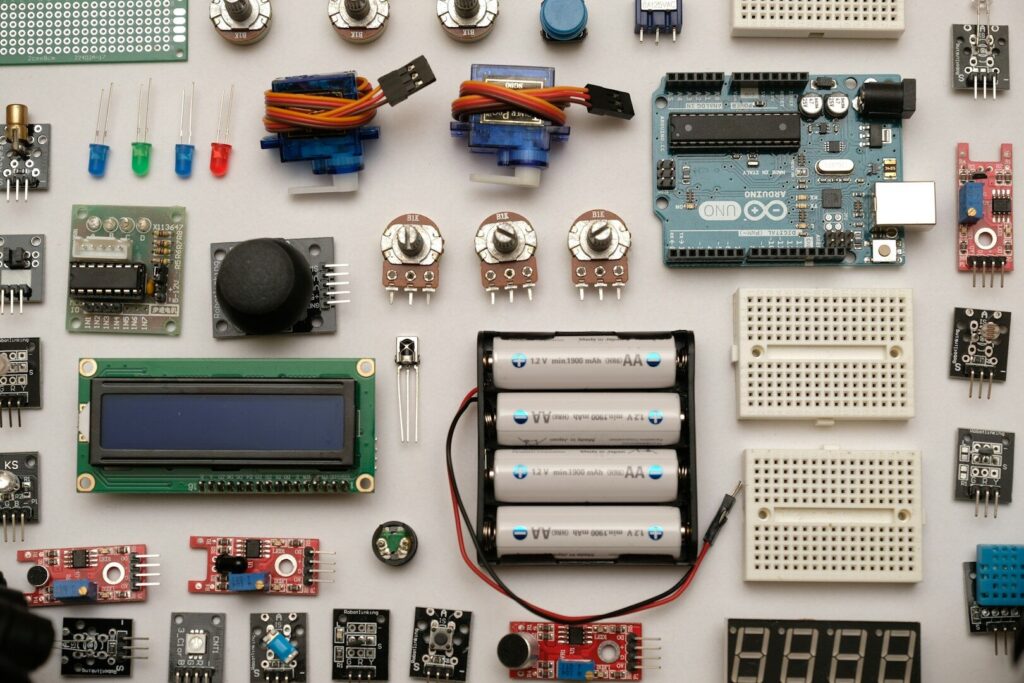
A solderless breadboard lets you build and test circuits in minutes — no iron, no fumes, no commitment. Learn how the hidden connections work and build your first LED circuit today.
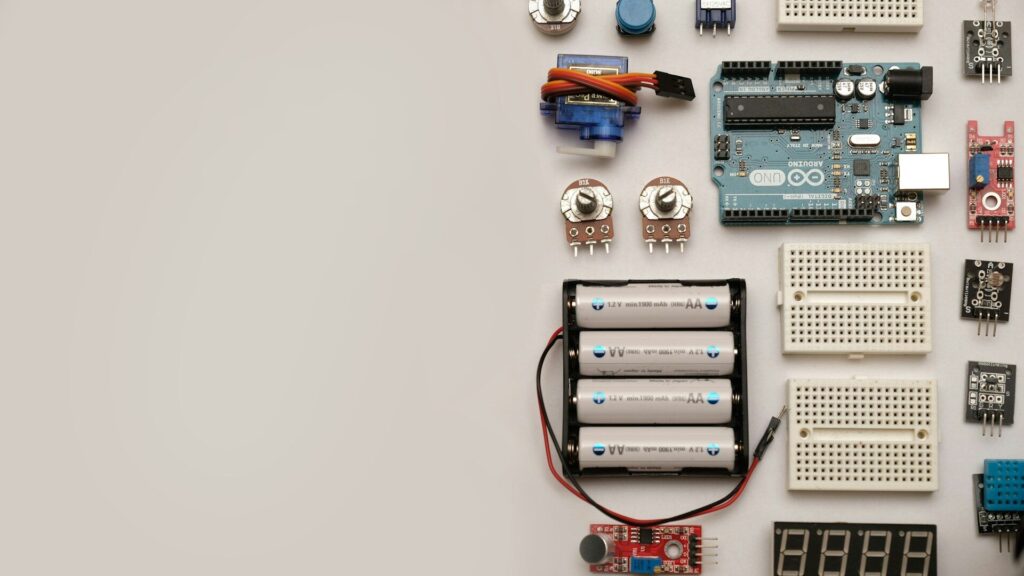
Every circuit is built from a handful of basic components. This plain-English guide explains resistors, capacitors, and LEDs — what they do, how to choose them, and how they work together.

You don’t need a $5,000 workshop to build great things. Here’s how to set up a functional garage workshop on a budget — the essentials to buy first, what to skip, and how to organize a small space.
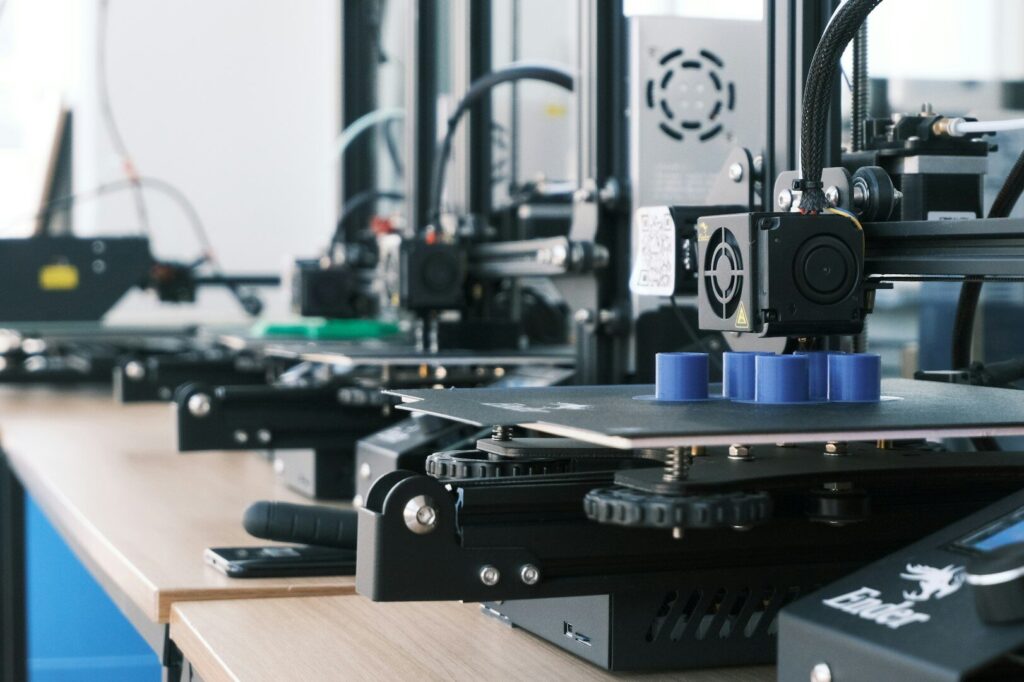
Buying your first 3D printer is confusing — FDM vs resin, bed sizes, auto-leveling, and a hundred brands. Here’s a practical buyer’s guide that cuts through the noise and matches you with the right machine.

A wobbly folding table is not a workbench. This step-by-step guide shows you how to build a rock-solid garage workbench from dimensional lumber in a single weekend — no fancy joinery required.
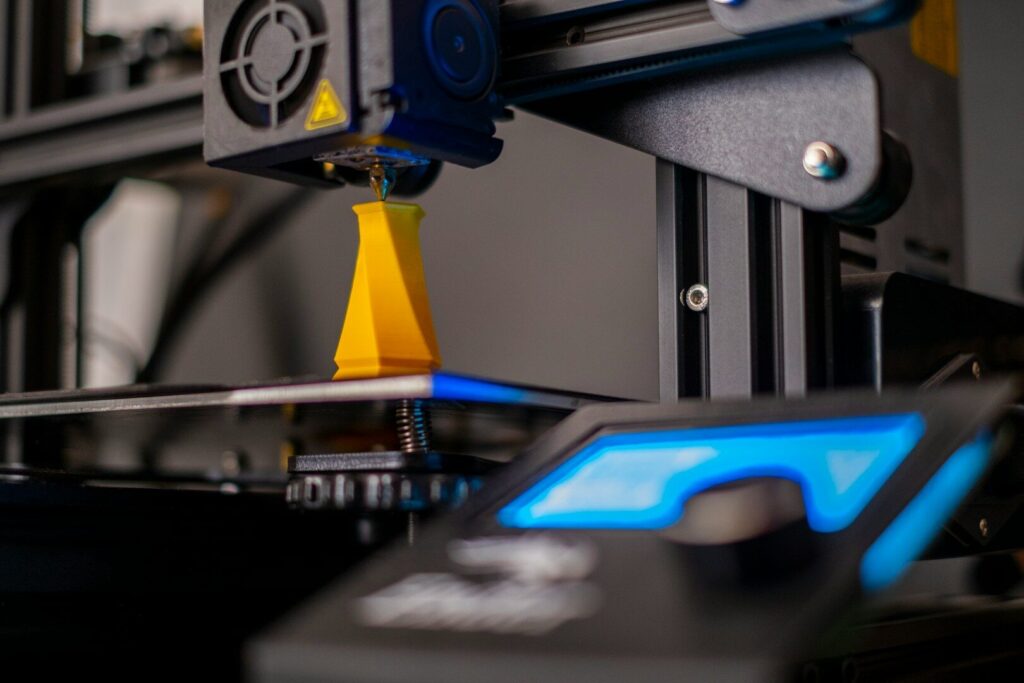
3D printers are machines, and machines need maintenance. This checklist — daily, monthly, and quarterly tasks — prevents the vast majority of print failures before they happen.
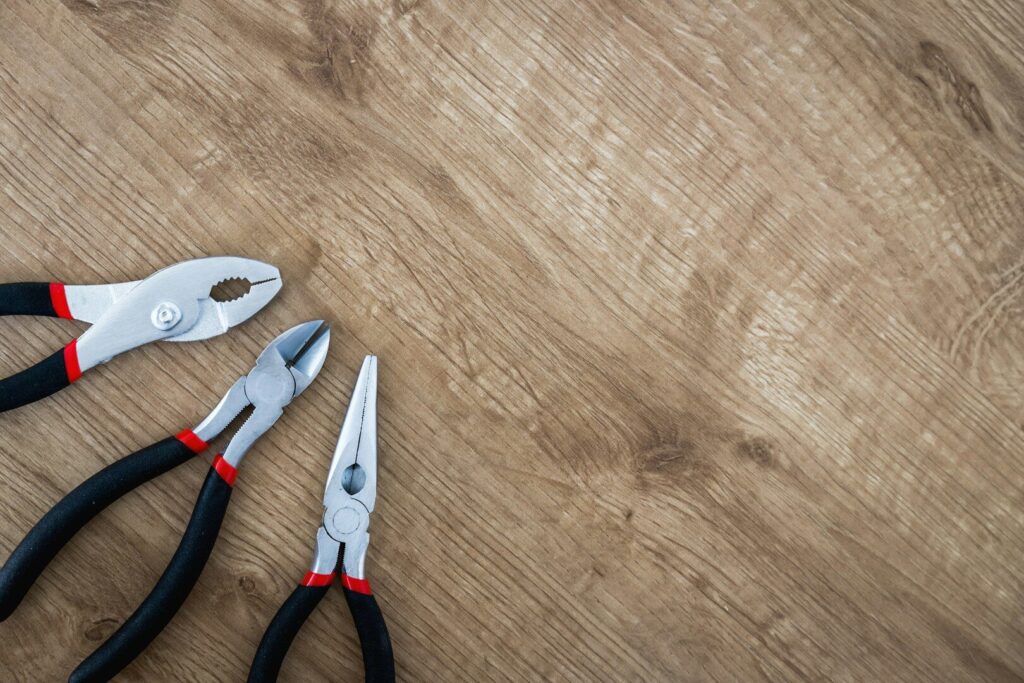
Bad wire connections cause more DIY electronics failures than anything else. Learn how to strip wire without nicking it and crimp connectors that hold for years — the right way.

You don’t need dovetails on day one. These five beginner-friendly woodworking joints — from the humble butt joint to the mighty mortise and tenon — cover nearly every project you’ll build in your first year.
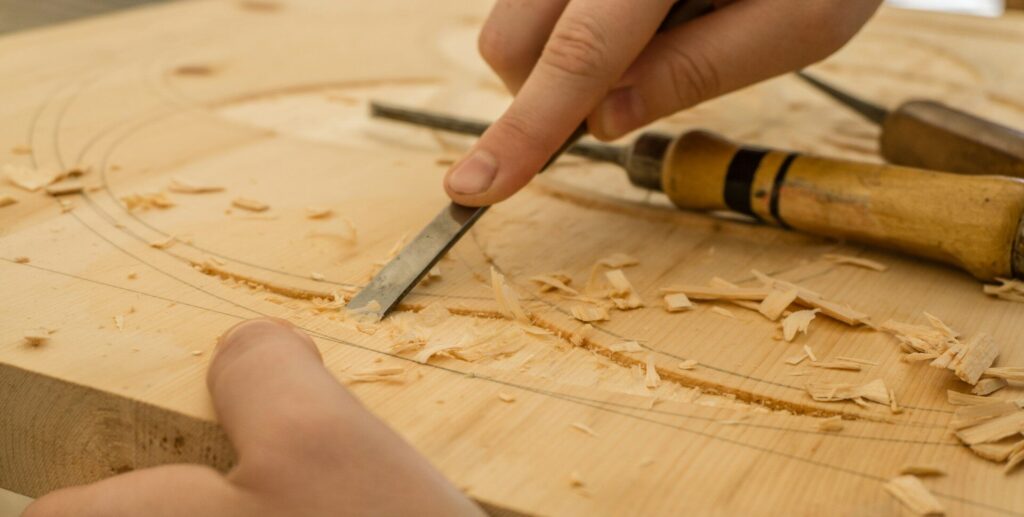
The best way to learn woodworking is to build real things. These five weekend projects teach core skills — measuring, cutting, joining, finishing — and each leaves you with something useful.
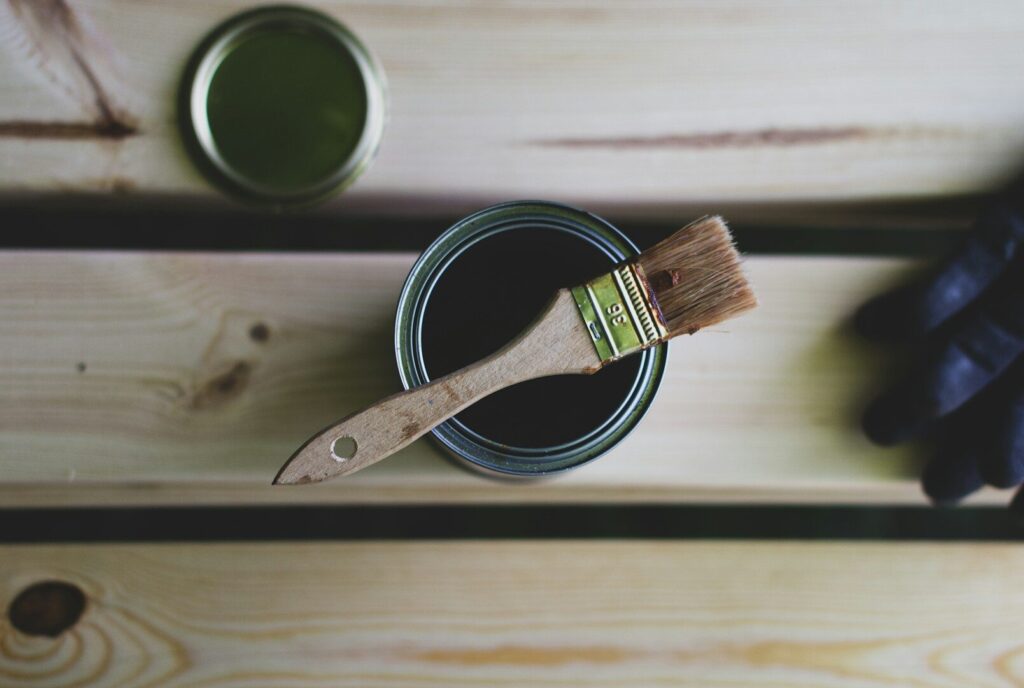
The finish makes or breaks a woodworking project. This beginner’s guide explains when to use stain, oil, or polyurethane — with step-by-step application for a professional-looking result.