DIY Smart Home on a Budget: Where to Start in 2026
You don’t need a $10,000 installer to build a smart home. Here’s a practical, budget-first roadmap: the hub to pick, the first three upgrades worth buying, and the traps that waste money.


You don’t need a $10,000 installer to build a smart home. Here’s a practical, budget-first roadmap: the hub to pick, the first three upgrades worth buying, and the traps that waste money.

Schematics look like cryptic hieroglyphics until someone explains the grammar. This beginner’s guide teaches you to read circuit diagrams — symbols, connections, and how to follow signal flow.

Stringing, warping, layer shifts, clogged nozzles — every 3D printer owner hits these eventually. Here’s a practical troubleshooting guide with the actual fixes that work, ordered by how often they occur.
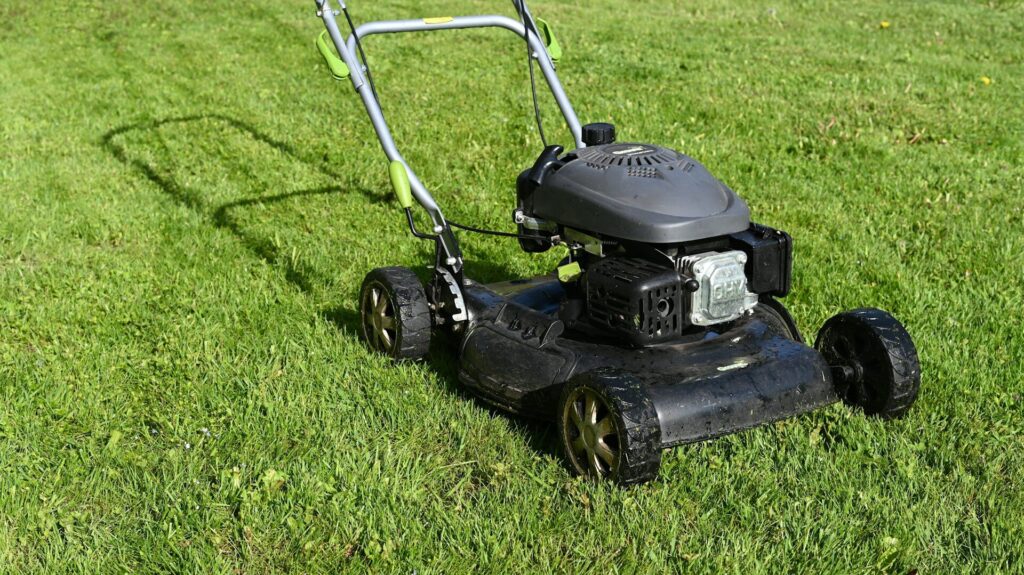
A dull mower blade tears grass instead of cutting it, leaving your lawn brown and sickly. Here’s how to safely remove, sharpen, balance, and reinstall a mower blade in under 30 minutes with basic tools.
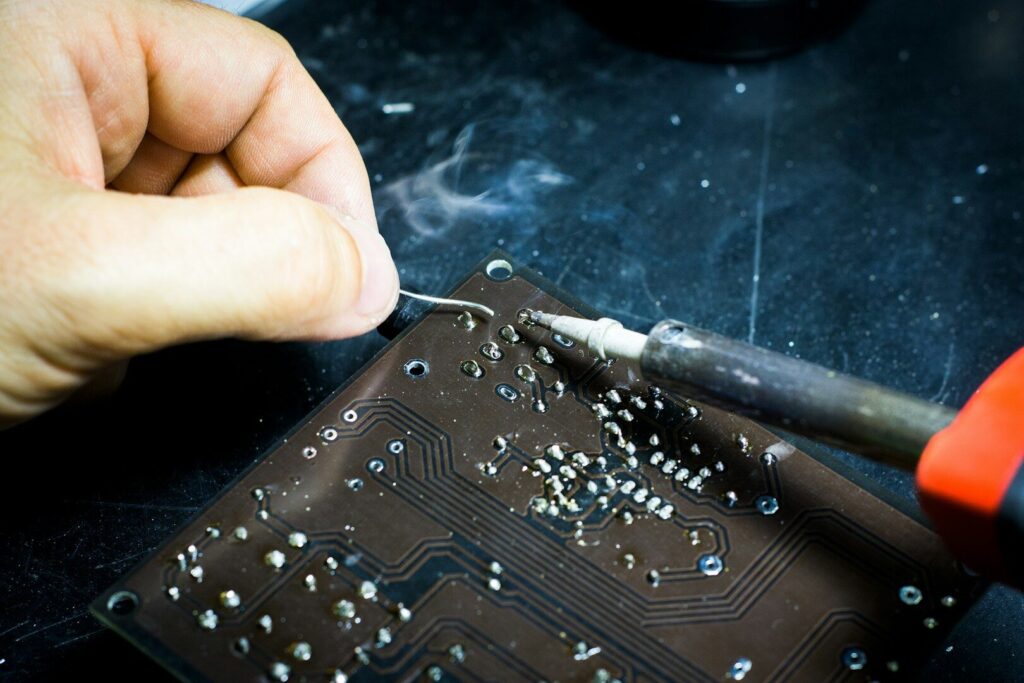
Salvaging parts, fixing mistakes, replacing dead components — desoldering is the skill that turns soldering from a one-way street into a round trip. Here’s how to do it cleanly with three methods.
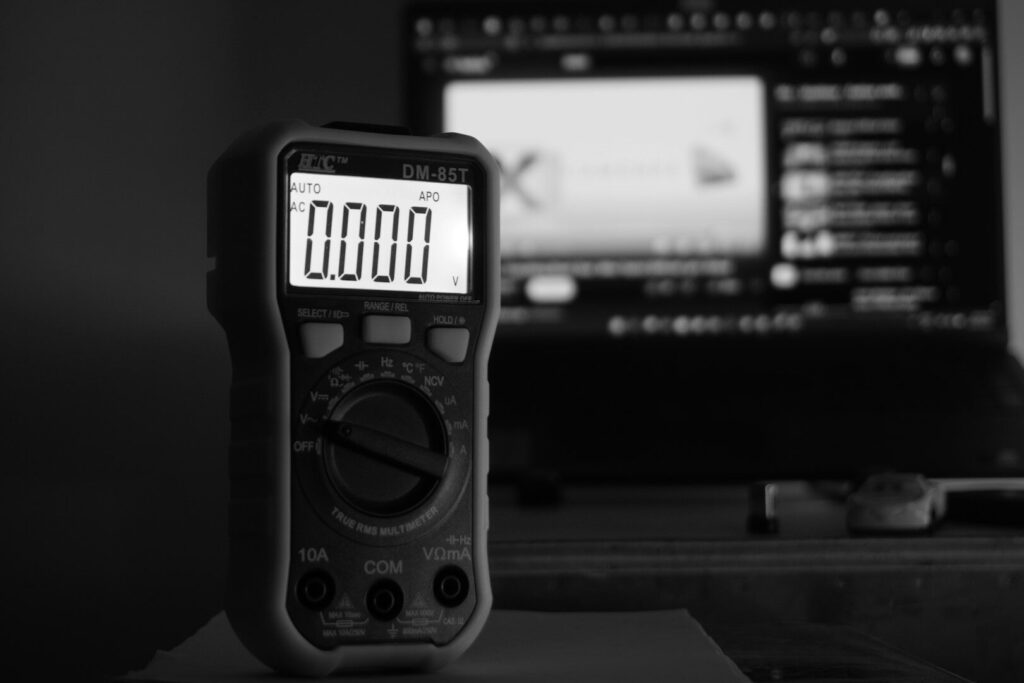
A safety-focused guide to measuring DC voltage, continuity, resistance, and current on known low-voltage electronics, with setup and meter-limit checks.
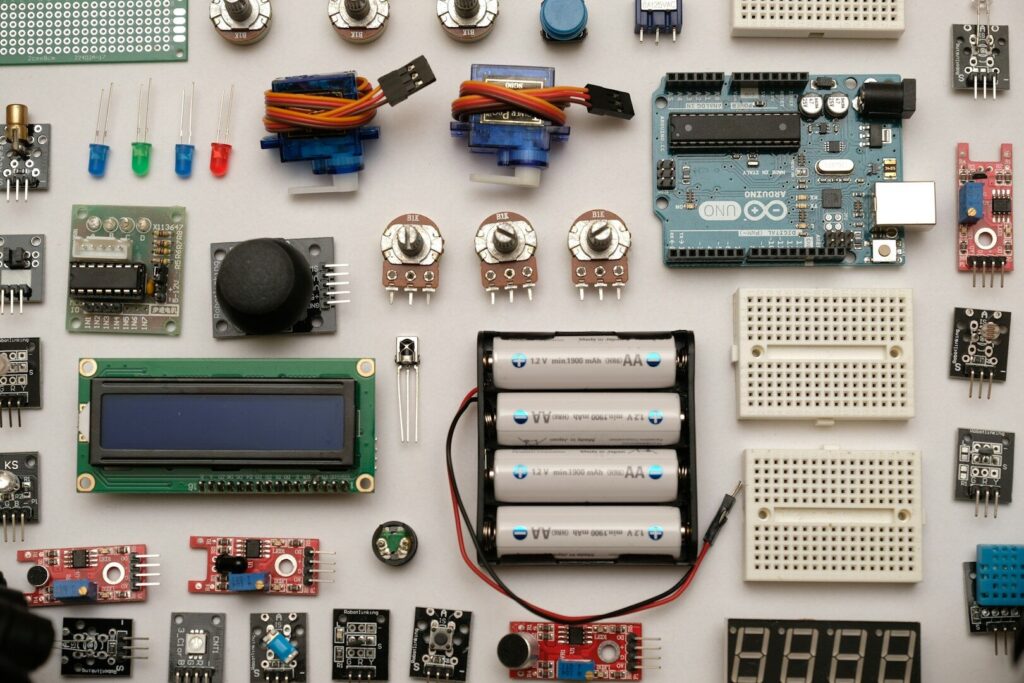
Start with three UNO R3 examples: an LED, a pushbutton, and a DHT sensor read through the Serial Monitor. Includes wiring, code, dependencies, and practical checks.
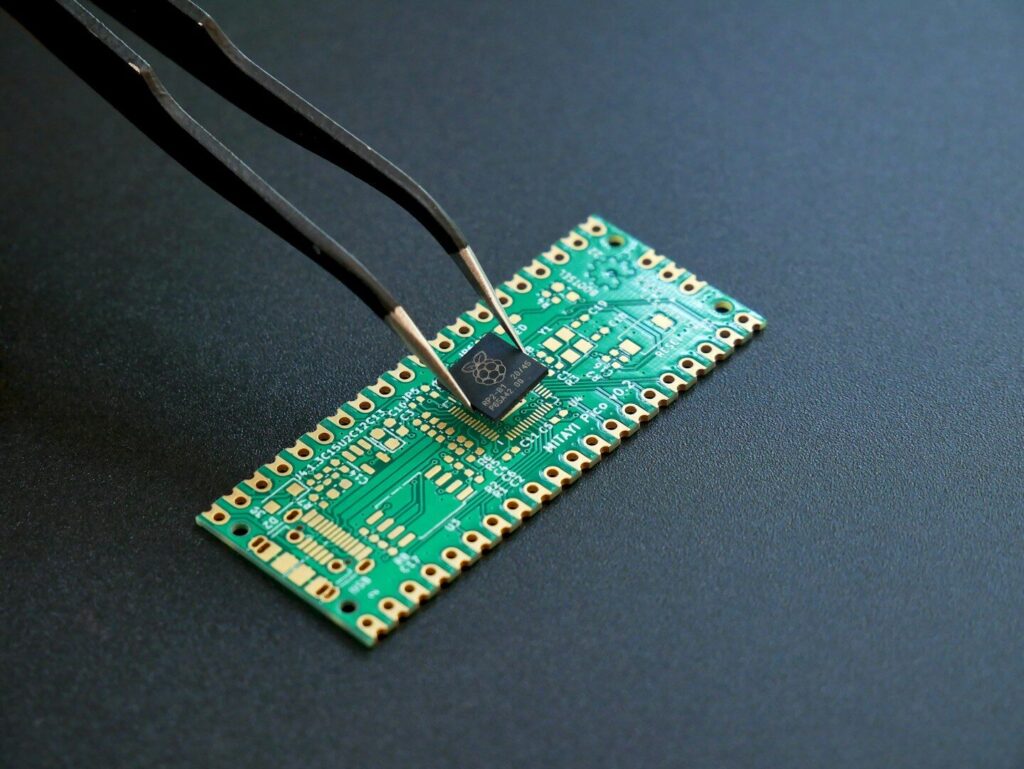
Arduino or ESP32? Both are great, but they shine in different projects. This honest comparison covers price, power, WiFi, ease of use, and exactly which board to buy for your project.
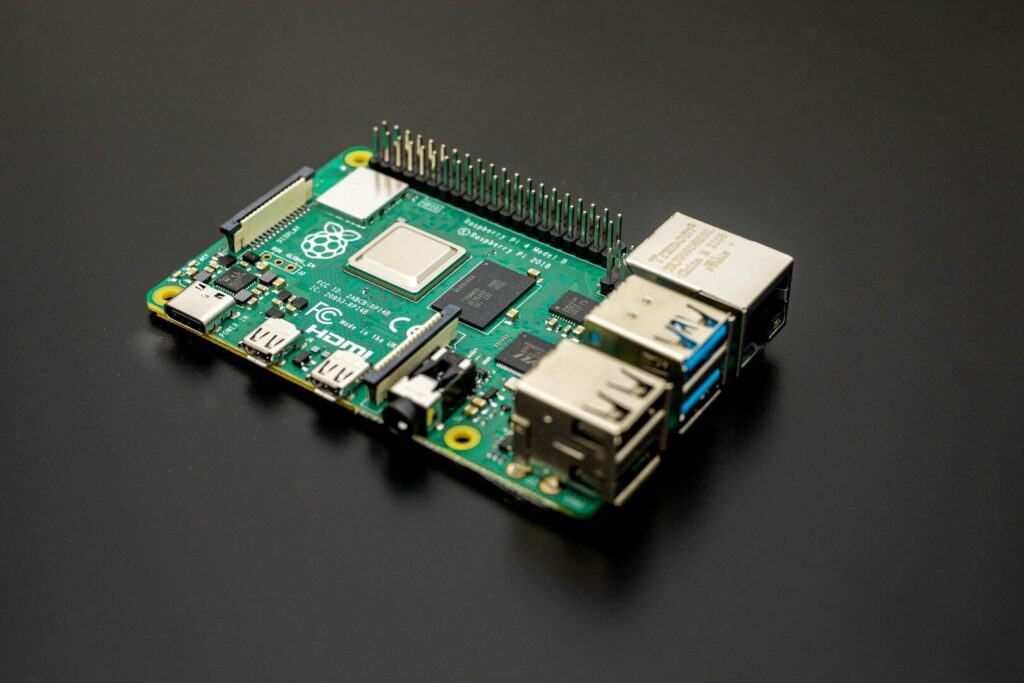
A Raspberry Pi is a full computer the size of a credit card — and a fantastic DIY platform. These five weekend projects take you from first boot to a working home server, retro game console, and more.
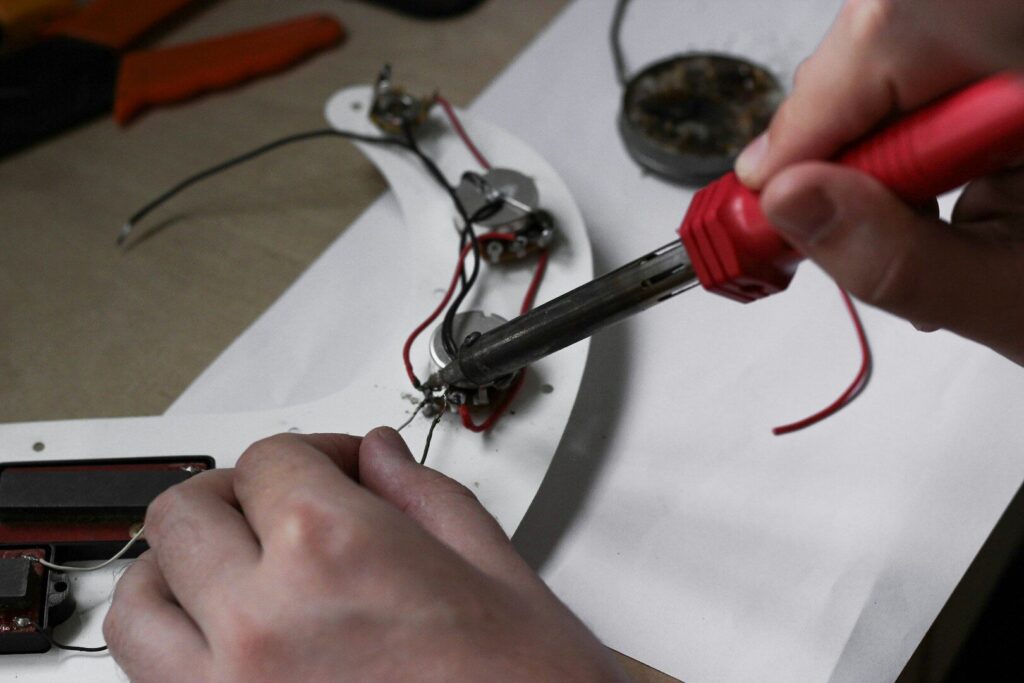
Soldering looks intimidating, but it’s one of the most useful DIY skills you can learn. This beginner’s guide walks you through the tools, the technique, and the mistakes to avoid — so your first joints are clean and strong.