Breadboard Basics: How to Prototype Electronics Without Soldering
Map breadboard connections, check power rails, and build a red-LED circuit with three AA batteries and a calculated series resistor. Includes an Arduino blink example.
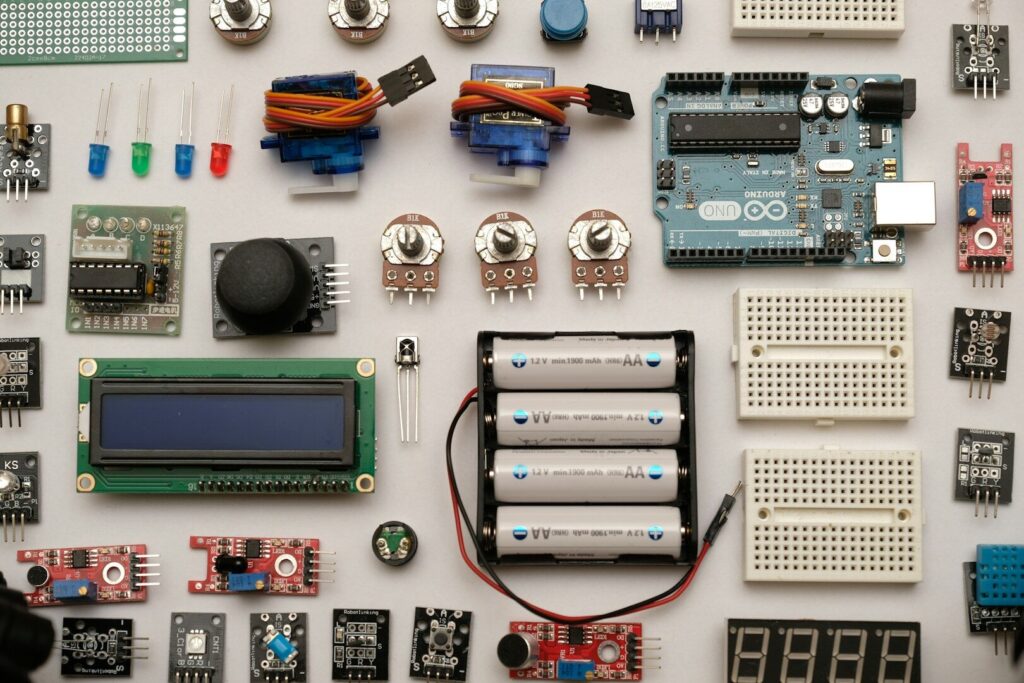
Map breadboard connections, check power rails, and build a red-LED circuit with three AA batteries and a calculated series resistor. Includes an Arduino blink example.

Buying your first 3D printer is confusing — FDM vs resin, bed sizes, auto-leveling, and a hundred brands. Here’s a practical buyer’s guide that cuts through the noise and matches you with the right machine.
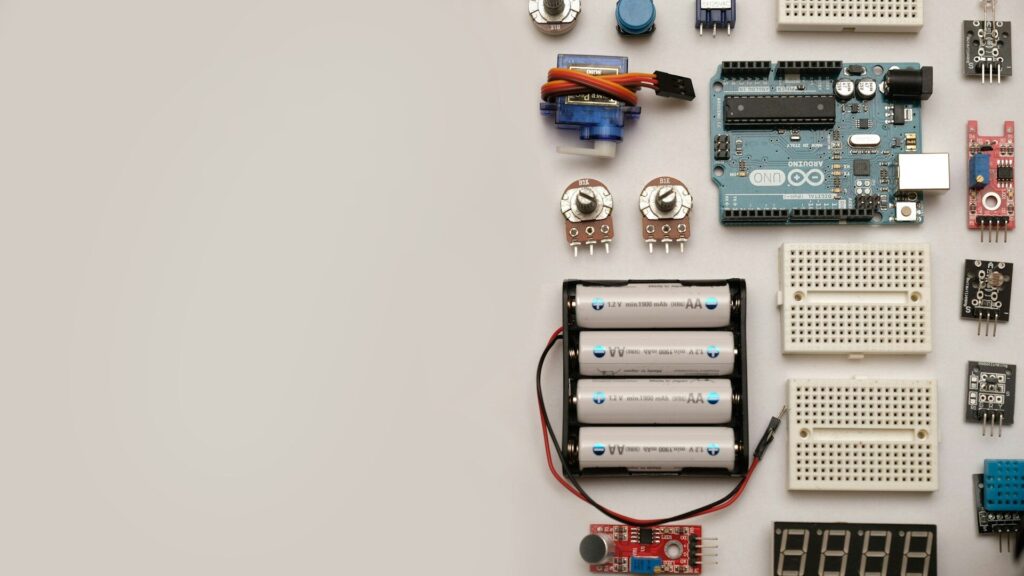
A practical introduction to resistor selection, capacitor ratings, and LED polarity, with a defined battery-powered circuit and manufacturer references.
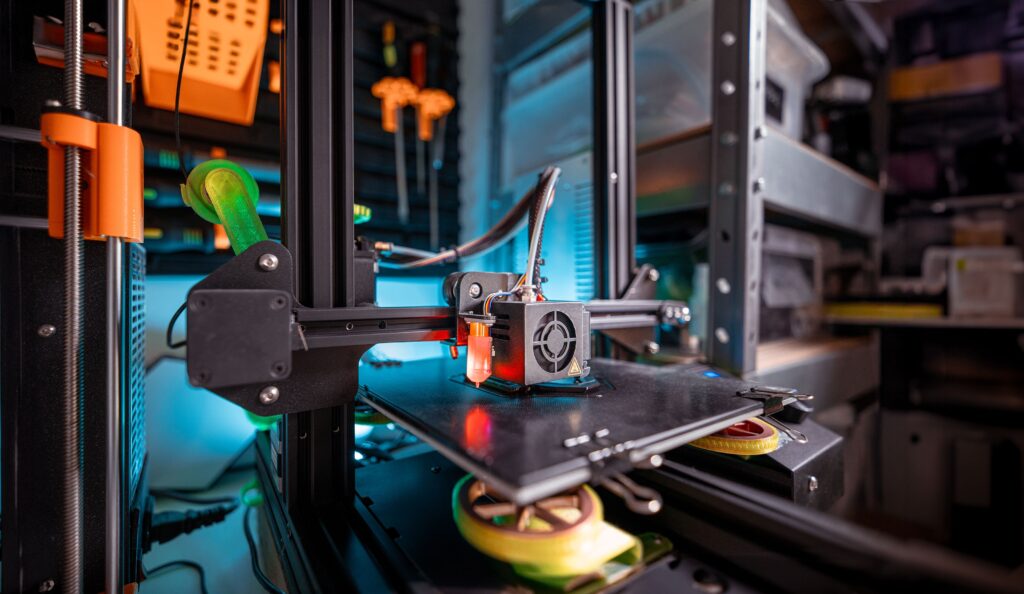
A practical maintenance checklist for checking build surfaces, moving parts, and hotends, with manufacturer examples that explain why procedures and service intervals must match your printer.

Match wire, terminals, tooling, and strip length, then inspect closed- and open-barrel crimps using the connector manufacturer’s specifications.

You don’t need a $10,000 installer to build a smart home. Here’s a practical, budget-first roadmap: the hub to pick, the first three upgrades worth buying, and the traps that waste money.

Schematics look like cryptic hieroglyphics until someone explains the grammar. This beginner’s guide teaches you to read circuit diagrams — symbols, connections, and how to follow signal flow.

Stringing, warping, layer shifts, clogged nozzles — every 3D printer owner hits these eventually. Here’s a practical troubleshooting guide with the actual fixes that work, ordered by how often they occur.

Salvaging parts, fixing mistakes, replacing dead components — desoldering is the skill that turns soldering from a one-way street into a round trip. Here’s how to do it cleanly with three methods.
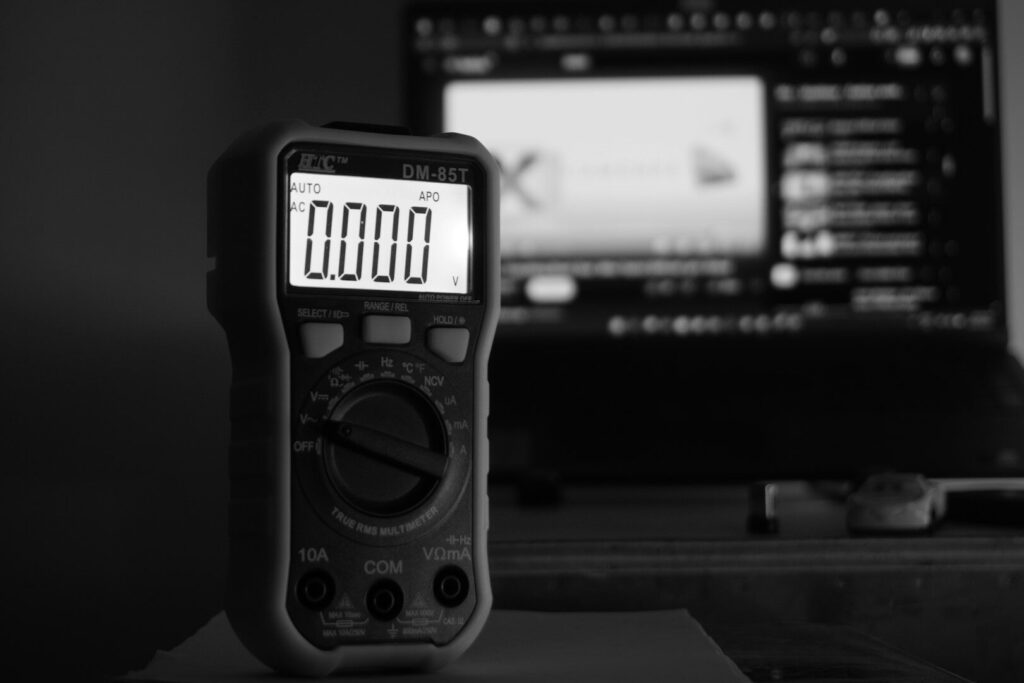
A safety-focused guide to measuring DC voltage, continuity, resistance, and current on known low-voltage electronics, with setup and meter-limit checks.