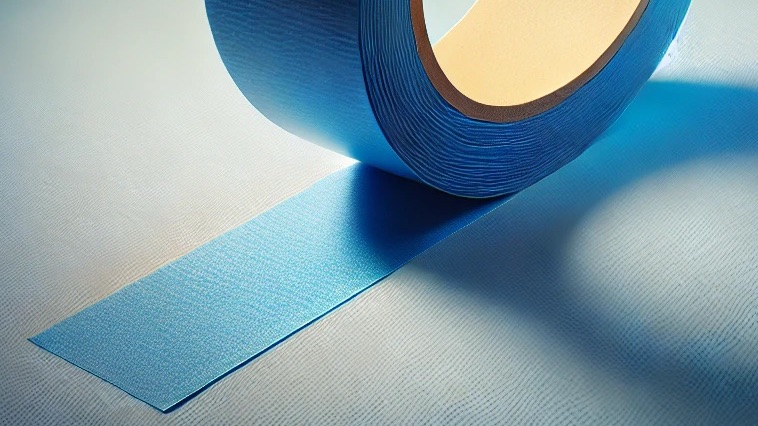
If you’re a DIYer, you probably have a roll of painter’s tape lying around. But did you know that this simple tool is a game-changer for more than just crisp paint lines? Whether you’re into woodworking, crafting, home repairs, or even tech projects, painter’s tape can save you time, prevent mistakes, and improve your results.
In this guide, we’ll break down the best painter’s tape hacks that every DIYer should know.
Why Painter’s Tape is a Must-Have for DIYers
1. It’s Easy to Use and Remove
Painter’s tape is designed for temporary masking, but clean removal depends on the tape, surface, and time left in place. Choose a product rated for your surface, test a hidden area, and follow its removal instructions. Delicate finishes may need a gentler adhesive.
2. It Works on Multiple Surfaces
Check the tape label for suitable surfaces. A tape intended for one finish may mark or lift another. Do not assume that one roll is safe for all wood finishes, wallpaper, fabric, or recently painted walls.
3. It Saves Time and Reduces Mistakes
From precision measurements to preventing glue messes, painter’s tape can help you avoid errors, making your projects more professional and efficient.
Top DIY Painter’s Tape Hacks
1. Marking a Cut Line
Problem: Cutting wood can sometimes lead to splintering, especially on plywood and MDF.
Use a strip of suitable tape as a temporary writing surface for your cut line. Keep marks clear of the blade path and use an appropriate saw guide. Tape does not make a cut straight or guarantee a splinter-free edge; check your blade, support, and technique.
Bonus Tip: Mark your measurements on the tape instead of the wood to avoid visible pencil marks.
2. Marking a Drilling Position
Problem: Drilling through wood or drywall often leaves rough, splintered edges.
Use tape to mark a hole position on a compatible surface. Secure the work with proper clamps or a drilling vise and use appropriate backing where required. Tape does not replace workholding or guarantee a clean exit hole. For walls, check for concealed cables and pipes before drilling.
3. Precision Caulking Without the Mess
Problem: Caulking can get messy, leaving uneven or smeared lines.
Mask either side of the joint with tape suitable for the surface. Apply and tool the sealant according to its instructions, then remove the tape at the stage recommended by the sealant manufacturer. Keep tape out of the bonding surfaces.
4. Labeling and Temporary Markings
Problem: When working on projects, it’s easy to lose track of measurements, parts, and tool placements.
Solution: Use painter’s tape as a temporary label. Write on it with a marker and stick it to tools, wires, wood pieces, or walls. Remove it within the product’s recommended time and test before using it on a delicate finish.
Bonus Tip: Use different colors of painter’s tape to categorize and organize materials in multi-step projects.
5. No-Mess Glue Joints
Problem: Glue tends to squeeze out of joints, making it difficult to clean up before it dries.
Solution: Apply painter’s tape around the joint area before gluing. Any excess glue will land on the tape instead of the wood. Keep tape out of the actual bonding faces and remove it according to the glue and tape instructions. Test the combination on scrap first; masking does not guarantee a flawless finish.
6. Tape Is Not a Drilling Clamp
Problem: Small pieces tend to shift or spin when drilling, leading to inaccurate holes or even injuries.
Do not secure a workpiece for drilling with a loop of tape. Use a properly secured clamp or drilling vise so the bit cannot make the part spin. CCOHS drill-press guidance specifically recommends a clamp or drill vise to prevent spinning. Follow your tool’s manual for the workholding arrangement.
Check the Tape Before Using It
As you can see, painter’s tape is one of the most useful tools for any DIYer. Whether you’re into woodworking, home improvement, crafting, or electronics, it’s a must-have for precision, organization, and efficiency.
Next time you start a project, keep a roll of painter’s tape within reach—you’ll be surprised at how much easier it makes your work!
Boost Your DIY Skills with More Pro Tips, the DIY Geek way.
Manufacturer guidance
Scotch painter’s tape FAQs explain choosing tape for the surface. See the removal guide for avoiding lifted paint. Product-specific instructions take priority over a general tip.
Tape types compared: blue vs. green vs. delicate-surface
Blue (medium adhesion) is the general-purpose workhorse — most painted walls, wood trim, glass, and metal, usually with clean removal up to 14 days.
Green (often labeled for sharp lines) uses a slightly different adhesive and thinner backing. Built for crisp edges on smooth surfaces. Costs more; on rough drywall the difference over blue is marginal.
Yellow / delicate-surface is the gentle one, made for fresh paint, wallpaper, and faux finishes. Lower tack — press it down well.
Outdoor / UV-rated tapes are rated for sun exposure up to 7–14 days. Standard indoor tape left outside in the sun can bake on.
Two rules: match the tape to the surface, and never leave any of them on longer than the label’s rated window.
The “seal the edge” trick for razor lines
After laying your tape, brush a thin coat of the existing surface color right along the tape edge and let it dry. That coat seeps into the micro-gaps and seals them. Then paint your new color over the top — any bleed is the old color, invisible.
Pull the tape while the final coat is still slightly tacky, pulling back on itself at a 45-degree angle. Press the tape edge down firmly with a putty knife before sealing — finger pressure alone leaves gaps.
Seven non-painting uses worth knowing
1. Soldering mask. Lay tape over PCB areas to protect from solder bridges; cut precise windows with a hobby knife. Peels off clean.
2. 3D-print bed adhesion aid. Blue painter’s tape on a glass bed gives PLA something to grip. Still works great on printers without a fancy bed.
3. Router template guide. Tape on both template and workpiece, superglue between the tape faces — rock-solid temporary bond, zero glue on your parts.
4. Dust catch when drilling overhead. Fold tape into a pocket below the drill point; catches drywall dust before it lands in your eyes.
5. Temporary cable labels. Wrap a tape flag around a cable and write on it with a Sharpie. Peels off without residue.
6. Shim stock in a pinch. One layer of blue tape is about 0.13mm — consistent enough for small-gap shimming.
7. Holding small parts for finishing. Loop tape sticky-side-out to hold screws and hardware while you paint them.

The DIY Geek — hands-on guides for electronics, 3D printing, woodworking, and smart home.